
Sustainable Recipes
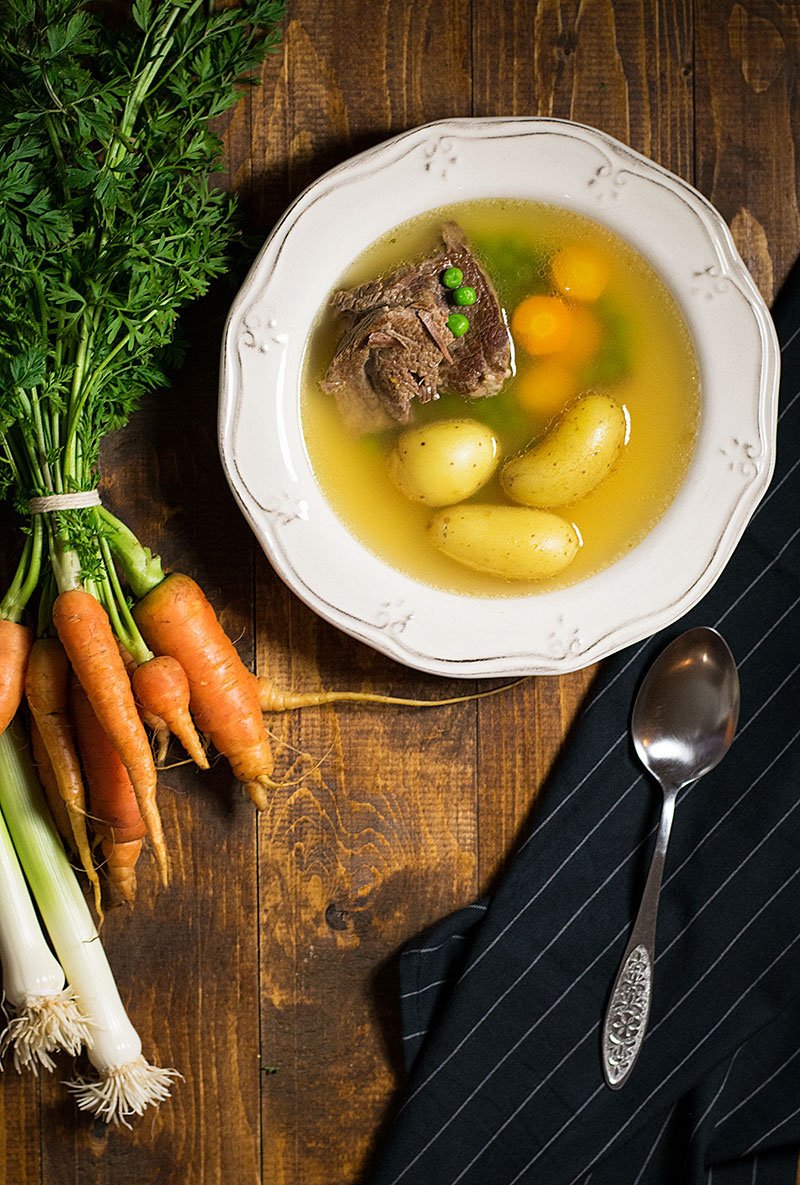
Reducing food waste starts in the kitchen. This section highlights simple ways to use food more efficiently by turning leftover ingredients into nutritious meals and regrowing vegetables that would normally be thrown away. By using the whole ingredient and giving food a second life, households can reduce waste while saving money.
Soup Bone Broth Recipe
Bone broth is a great way to use ingredients that are often discarded, such as leftover bones, vegetable scraps, and herbs. Instead of throwing these items away, they can be simmered to create a rich and nutritious broth that can be used for soups, stews, or cooking grains.
Ingredients
Leftover chicken or beef bones
Vegetable scraps (carrot peels, onion ends, celery leaves)
1–2 cloves garlic
1 tablespoon apple cider vinegar
Salt and pepper to taste
Water
Optional additions:
Herbs such as parsley, thyme, or bay leaves
Regrown vegetables like green onions or celery tops
Instructions
Place bones and vegetable scraps into a large pot.
Add water until the ingredients are fully covered.
Add apple cider vinegar and let sit for 10 minutes.
Bring to a boil, then reduce to a low simmer.
Simmer for 6–12 hours to extract nutrients and flavor.
Strain the broth and store in the refrigerator or freezer.
Bone broth can be used as a base for soups, ramen, sauces, or cooking rice and grains.
Sample Grocery Plan
Estimated Grocery Cost: ~ $40.00
A dozen eggs ~ $5.00
Loaf of bread ~ $4.00
White rice (1kg) ~ $3.00
Chicken thighs (~700g) ~ $7.00
Assortment of frozen or fresh vegetables ~ $5.00 - $10.00
Yellow onion ~ $1.00
Black beans (1 can) ~ $1.50
Pasta (~900g) ~ $2.50
Jar of Pasta sauce ~ $2.50
* Prices are estimated based on common grocery stores in Ontario *
This grocery list can realistically make 6-8 meals, a single portion
Chicken & rice bowl
Vegetable fried rice
Pasta with chicken and assorted vegetables
Chicken salad
Chili
etc.
With ingredient substitution, the re-use of ingredients for different meals and eating fresh can significantly reduce cost and waste in a household.
Meal
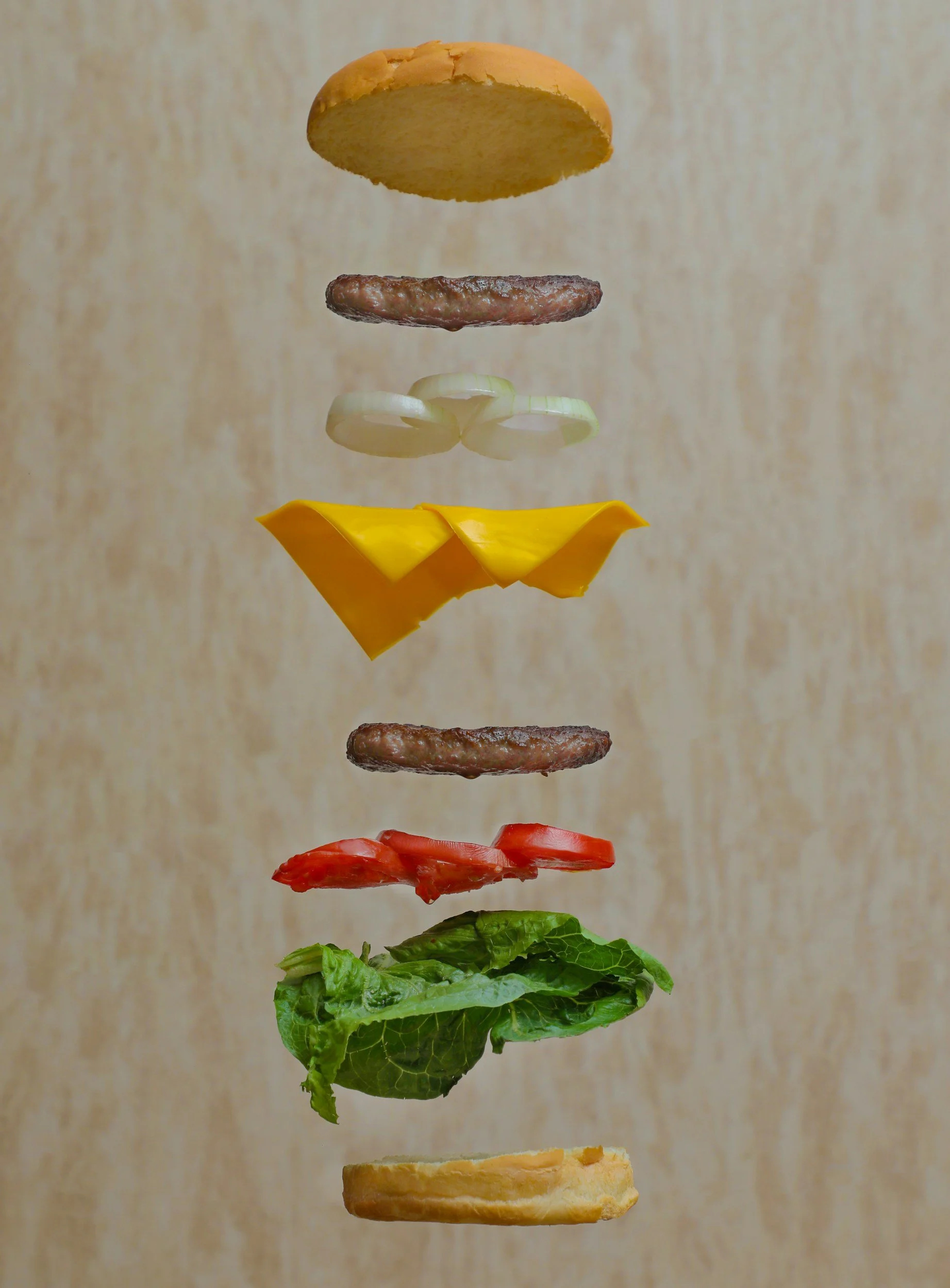
Burger & fries
Chicken wrap
Rice bowl/stir fry
Pasta meal
Homemade Cost
~ $7
~ $5
~ $6
~ $5
Meal Price Comparison
Fast Food Cost
(other costs not included)
~ $12-15 combo
~ $7-10
~ $15
~ $18-25 resturant/take-out
Overall Takeaway:
Cooking meals at home offers several benefits compared to fast food or delivery. Homemade meals, although they seem pricy at grocery checkout, are often much cheaper per serving, allow for controlled portion sizes and give you full control over ingredients and food preparation. Preparing food yourself avoids added fees and taxes, while also reducing single-use packaging and takeout litter.
Understanding Expiration Dates
Many foods are thrown away due to the misunderstanding of expiration labels.
In most cases, these dates refer to food quality - not safety
Best Before
Indicates when food is at its best quality - many foods are safe to eat after this date if stored properly
Sell By
Used by stores to manage inventory - does not mean the food is unsafe to eat
Use By
Usually, the only date related to food safety is when a product should be consumed
Tip: The majority of packaged food has longer shelf lives than best before; flavour will usually decline
Tip: Based on looks, smell and taste to determine if fresh food has gone bad
Regrowing Vegetables in Water
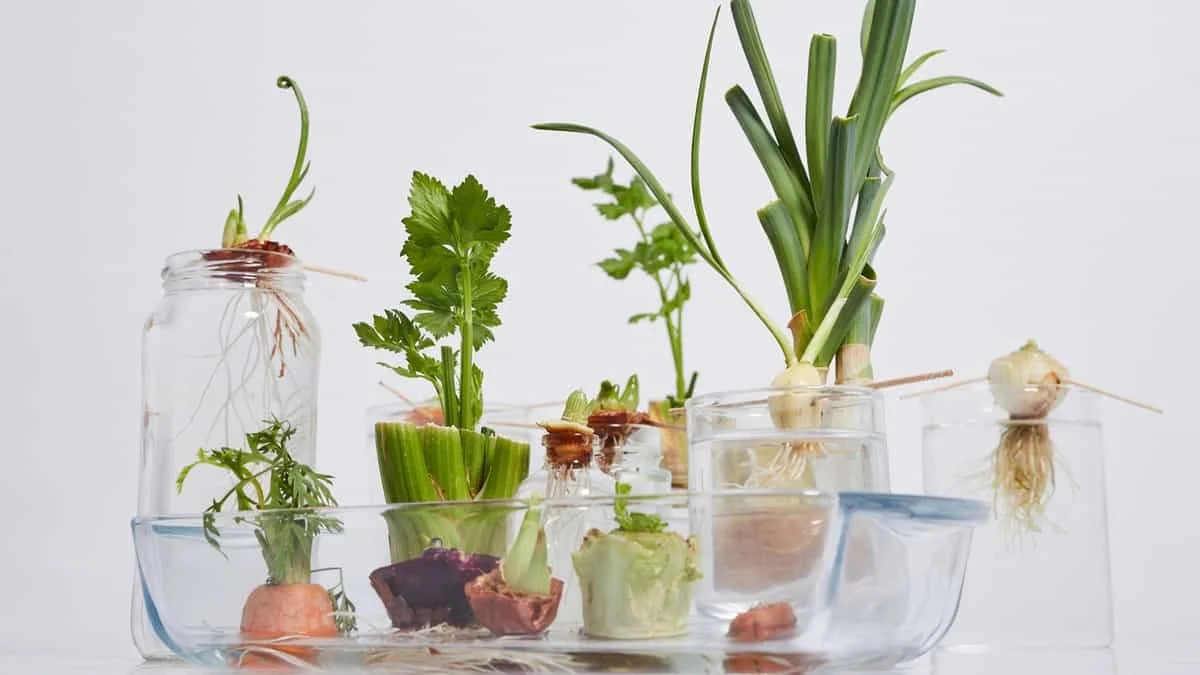
Many vegetables can be regrown using just water and sunlight. Instead of throwing away the roots or stems, they can be placed in a small container of water and allowed to regrow. This reduces food waste and provides fresh herbs and vegetables for cooking.
Vegetables That Can Be Regrown
Green onions
Parsley
Basil
Lettuce
How to Regrow Vegetables
Save the base or roots of the vegetable when preparing food.
Place the roots in a small container with enough water to cover the bottom.
Put the container near sunlight, such as on a windowsill.
Change the water every 1–2 days.
Within a few days, new leaves will begin to grow.
These regrown vegetables can be harvested and added directly to meals such as soups, salads, and broths.