Food Waste and Its Environmental Impacts

Global Conservation Impacts
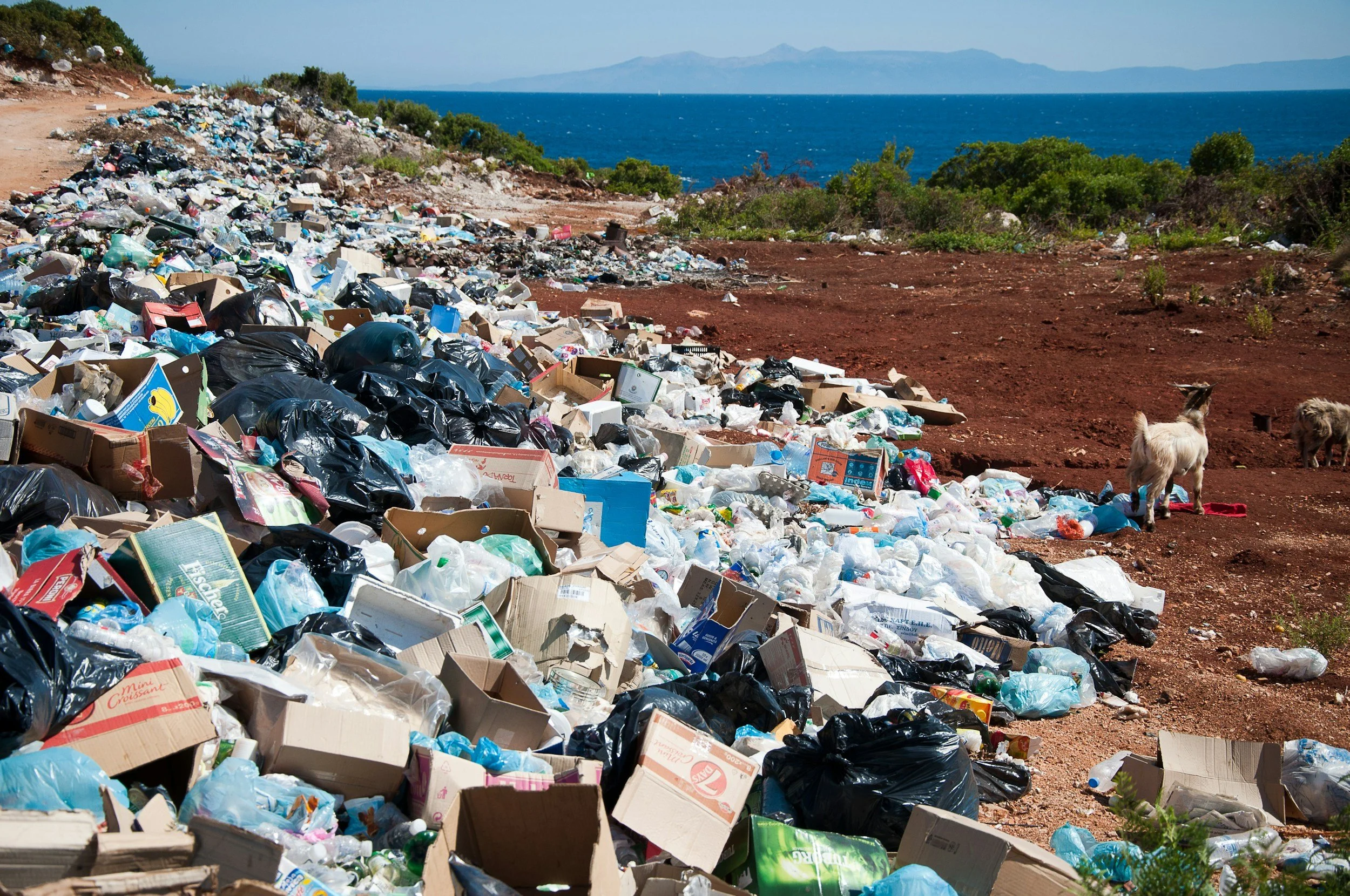
Food overconsumption and waste contribute to several global conservation challenges, including biodiversity loss, ecosystem degradation and the depletion of natural resources.
Increased demand for food drives agricultural expansion, pollution and greenhouse gas emissions.
Habitat Loss & Overexploitation
High demand for food requires large amounts of water, land and energy. Agricultural expansion converts forests, wetlands, and grasslands into livestock pasture and cropland, thereby removing habitats for species.
Overconsumption of seafood has led to overfishing, disruption of marine ecosystems, and alteration of food webs.
Pollution & Nutrient Cycling
Intensive agriculture contributes to pollution through fertilizer and manure runoff. Excess nitrogen and phosphorus enter waterways, causing algal blooms, oxygen depletion and aquatic dead zones. These processes disrupt natural nutrient cycling and reduce overall ecosystem health.
Climate Change
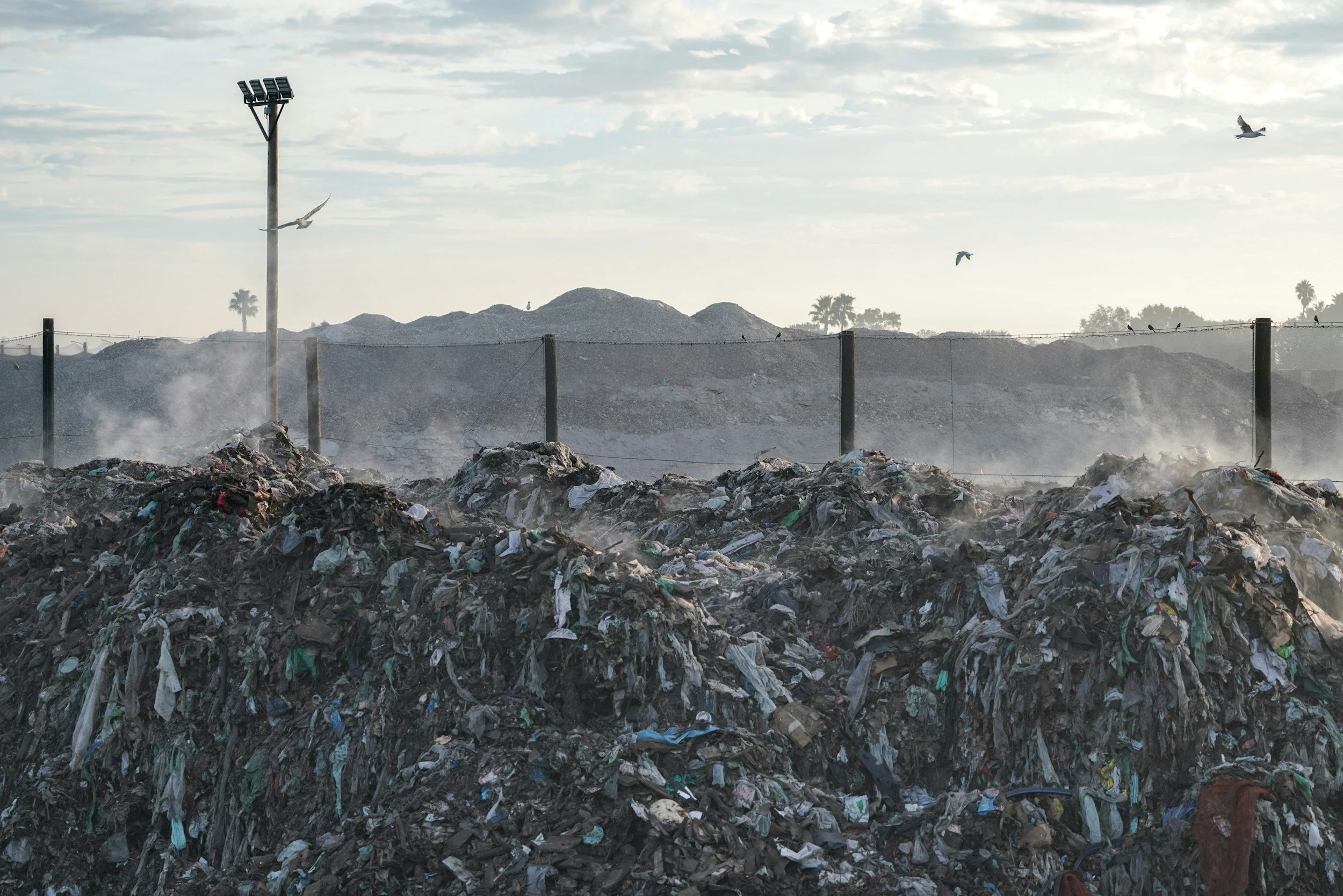
Food waste decomposes in landfills without oxygen and produces methane, a greenhouse gas far more potent than carbon dioxide. Food systems play a major role in climate change, as well as contributing to environmental feedback loops.
Local Conservarion Impacts
Landfill Pressure
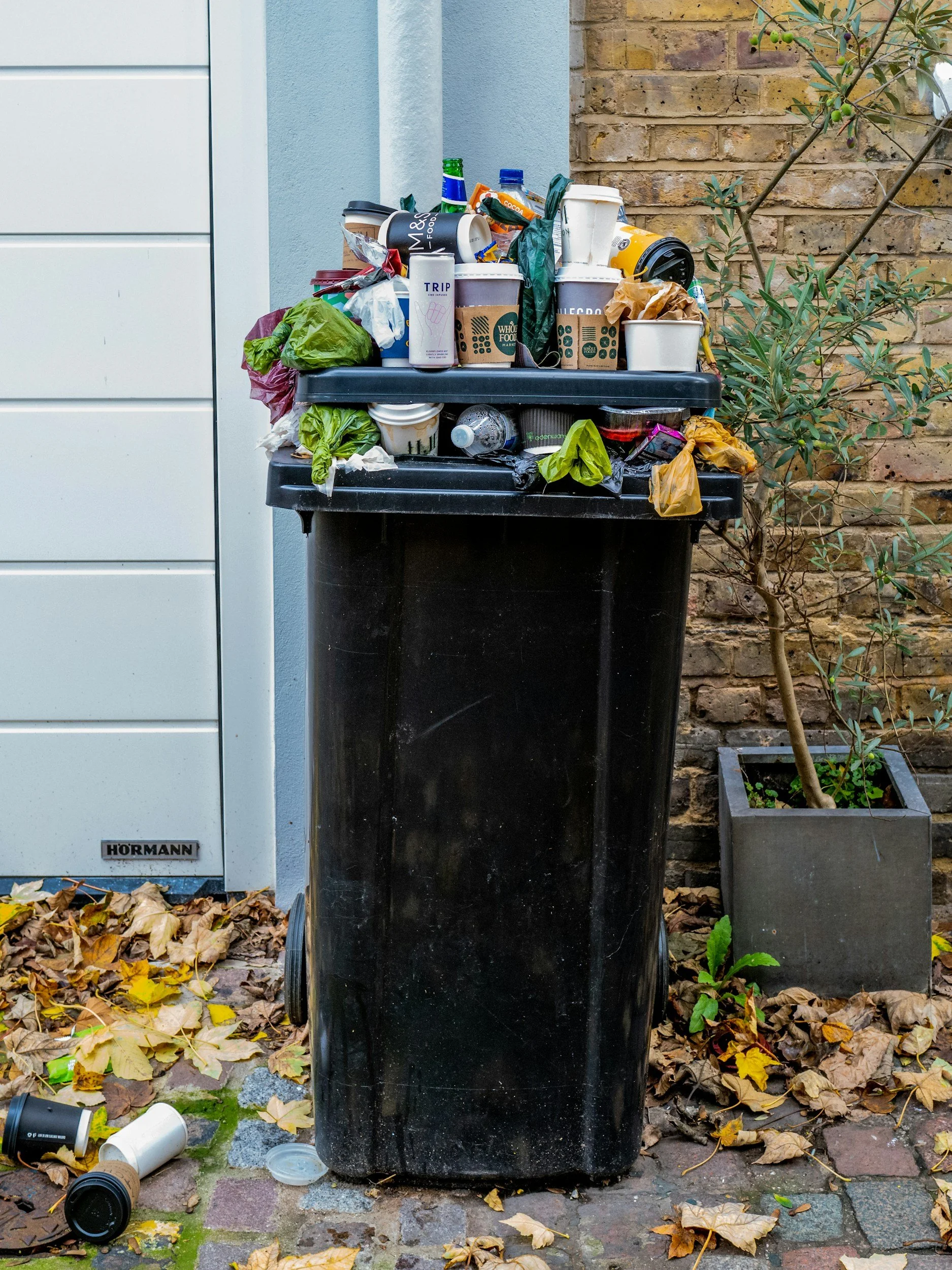
Kingston faces increasing pressure on landfill capacity.
When food waste is thrown in regular garbage instead of the Green Bin, it is sent to landfill where it decomposes and produces methane.
Proper waste diversion helps extend landfill lifespans and reduces environmental impacts
Belle Island Landfill
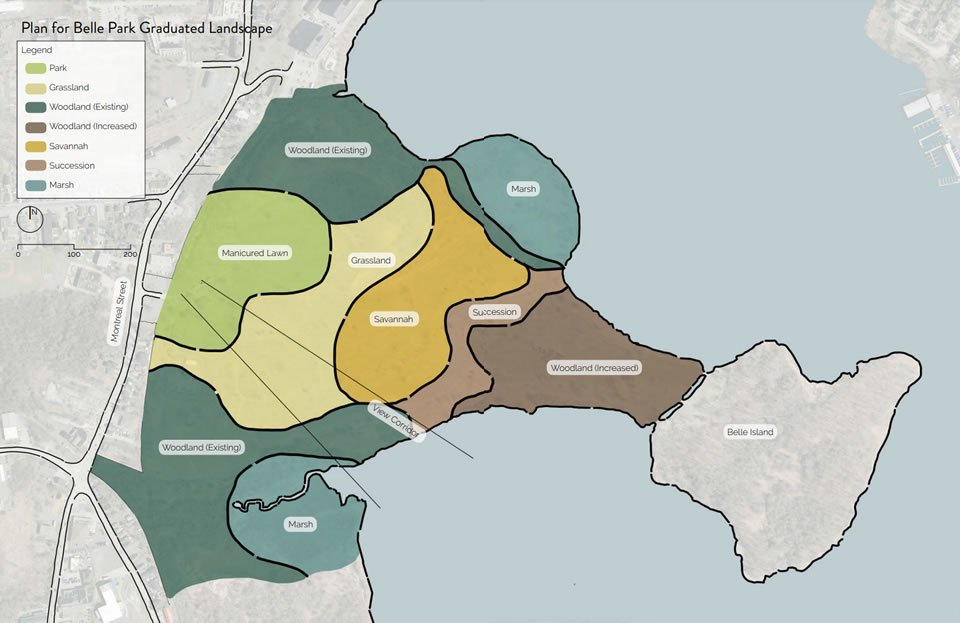
One example of the long-term effects of waste disposal in Kingston is the Belle Park landfill, located near Belle Island along the Cataraqui River. The area was originally a wetland but used as a municipal landfill from 1952 to 1974 before being closed, covered and converted into a park & golf course.
Even decades later, the site requires environmental monitoring and management systems to control leachate, which is contaminated water that forms when rainwater passes through landfill waste. These systems help prevent pollutants from entering nearby waterways such as the Cataraqui River.
Studies have detected elevated contaminants in nearby soil and water, including ammonia and metals, demonstrating how landfill pollution can persist for decades - or more?
In 2017, the council decided to permanently close the golf course and begin the master redevelopment plan for the park. Which is to include a protected shoreline, undisturbed natural areas and botanical demonstration.
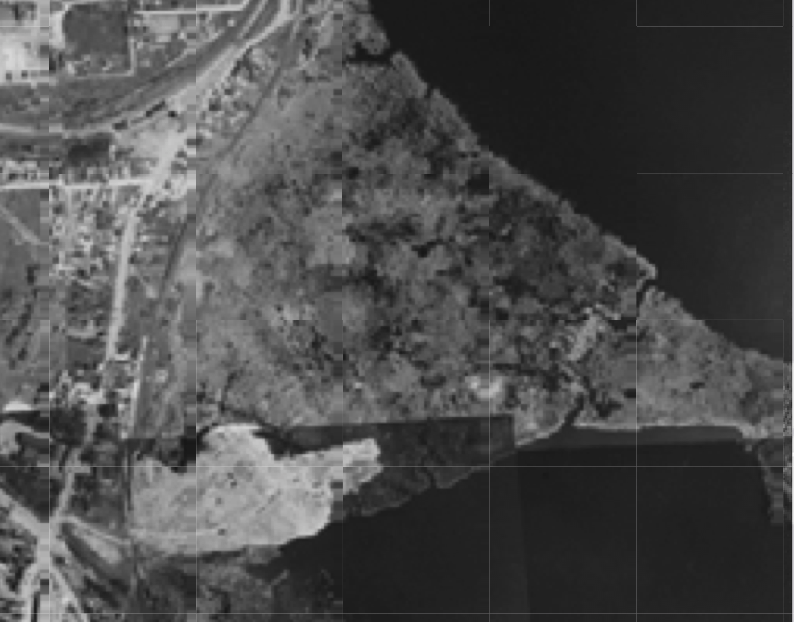
1955 - Site used as landfill for municpal waste
Why Reducing Food Waste Matters:
Reduced methane emissions from landfills
Extend landfill lifespan
Reduce contamination risks
Improve local environmental sustainability
Belle Island Master Plan